
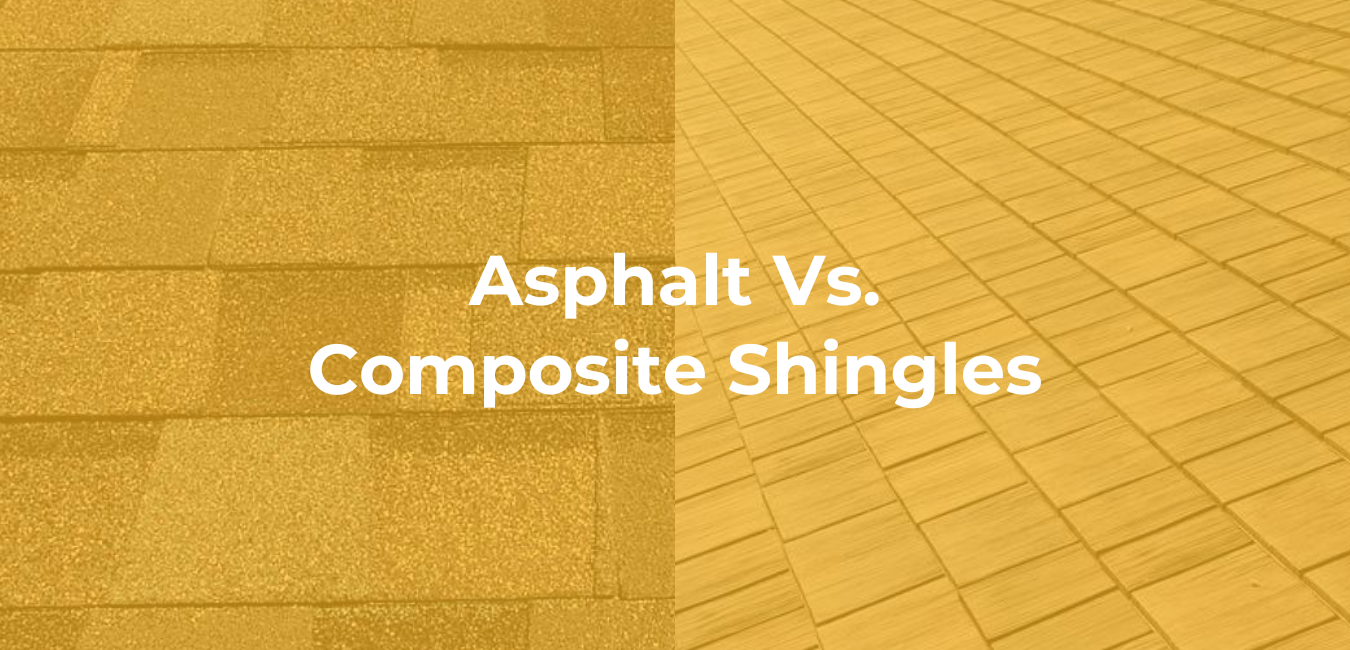
Selecting the right roofing material is a major decision for any property owner. A roof not only protects the structure beneath it but also plays a significant role in appearance, durability, and long-term value. Among the most commonly discussed roofing options are asphalt shingles and composite shingles. Understanding how asphalt vs composite shingles compare can help property owners make a confident and informed choice.
Understanding Asphalt Shingles
Asphalt shingles remain one of the most widely used roofing materials in the country due to their reliability and affordability. Most asphalt shingles consist of a fiberglass or organic mat base that is saturated with asphalt and finished with mineral granules. These granules help protect the shingle from sun exposure while also adding color and texture. Because of their long-standing presence in the roofing industry, asphalt shingles are available in a wide range of styles and colors. They can suit many architectural designs and are commonly chosen for both residential and light commercial properties. Their relatively straightforward installation process also contributes to their popularity.
What Sets Composite Shingles Apart
While asphalt shingles rely heavily on asphalt as their core component, composite shingles take a more engineered approach. Composite shingles are made from a blend of synthetic materials, which may include polymers, fiberglass, recycled plastics, or rubber. These materials are combined to create shingles that are lightweight yet durable, offering advanced performance compared to traditional options. Many composite products are designed to resemble slate, wood shake, or tile while avoiding weight. As a result, composite shingles appeal to property owners seeking both performance and elevated aesthetics.
Shared Benefits Between Asphalt Vs. Composite Shingles
Despite differences in construction, asphalt and composite shingles share several important similarities. Both materials are designed to protect roofs from weather elements such as rain, wind, snow, and sunlight. When installed correctly, each creates a dependable barrier that helps prevent moisture intrusion and structural damage. Additionally, both shingle types offer design flexibility. Property owners can choose from numerous colors and textures, allowing roofs to complement the overall style of the building. Professional installation is also essential for both materials, such as proper placement, ventilation, and sealing, which directly impact longevity and performance.
Longevity and Cost Considerations
One of the most significant differences between asphalt and composite shingles lies in durability and lifespan. Asphalt shingles typically last between fifteen and thirty years, depending on climate conditions and maintenance. Over time, they may show signs of wear such as granule loss, fading, or cracking, especially in regions with extreme temperatures or frequent storms. Composite shingles are engineered for enhanced durability and often outperform asphalt shingles in harsh conditions. Their synthetic composition allows them to resist impact damage, moisture absorption, and ultraviolet exposure more effectively. Cost is also often a deciding factor when choosing a roofing material. Asphalt shingles are generally more affordable upfront, which makes them appealing for budget-conscious projects or properties with shorter ownership timelines. Their lower initial cost allows many property owners to replace or install a roof without significant financial strain. Composite shingles typically require a higher initial investment.
Explore Your Roofing Options
Both asphalt shingles and composite shingles can be excellent roofing solutions when installed correctly and matched to the needs of the property. Understanding their differences and similarities is the first step toward making a smart investment in your roof. If you are interested in learning more about asphalt shingles, composite shingles, or other roofing materials available, Aspen Contracting is here to help. Our experienced team can guide you through additional options, explain material benefits, and help you choose the roofing solution that best fits your property. Contact Aspen Contracting today to learn more about the full range of roofing materials at roofsbyaspen.com or 877-784-ROOF.
0 Comments