
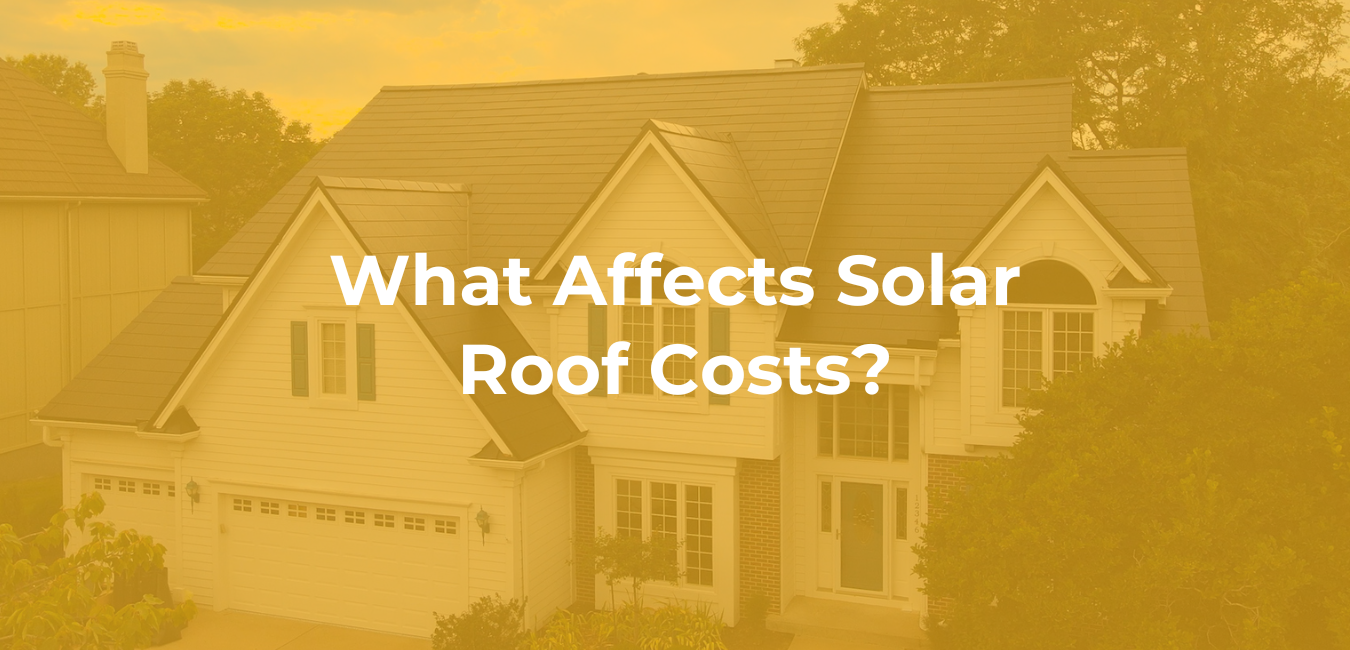
When property owners start researching the Tesla Solar Roof, one of the first questions they ask is simple: “What affects solar roof costs?” Two properties can appear similar at a glance yet receive very different estimates. That’s because several structural, design, and energy factors directly influence the final investment. If you’re considering a solar roof, understanding these variables will help you evaluate proposals with confidence and avoid surprises along the way.
Roof Size and Complexity
First and foremost, size matters. The larger the roof surface area, the more materials and labor the project requires. Solar tiles replace traditional roofing materials, so the system must cover the entire roof, not just the sections producing power. However, square footage alone doesn’t determine cost. In short, the more intricate the roof layout, the more labor-intensive the project becomes, and labor directly affects pricing. Steeper slopes, multiple facets, dormers, and complex angles can also increase installation time and overall project investment.
Energy Usage and System Size
Next, your property’s energy consumption significantly affects pricing. A property running electric vehicles, pools, hot tubs, or high-efficiency HVAC systems will typically require a larger system than one with moderate energy demand. As a result, higher usage equals a larger system size, and larger systems require more active solar tiles. Moreover, future plans matter. If a property owner intends to purchase an electric vehicle or add square footage later, it’s wise to account for that anticipated demand upfront. Designing for future capacity can impact the initial investment but may prevent costly upgrades later.
Battery Storage Integration
Another major factor involves energy storage. Many property owners choose to pair their solar roof with the Tesla Powerwall. While batteries are not mandatory in every location, they provide backup power during outages and allow you to store excess energy for nighttime use. Naturally, adding one or more Powerwalls increases the total project cost. The number required depends on your energy usage and how much backup coverage you want during a grid outage. Therefore, properties seeking full-home backup will see a higher investment compared to those choosing partial backup or grid-tied only systems.
Labor, Location, and Certified Installers
Finally, installation expertise influences both pricing and performance. A Tesla Solar Roof requires specialized training and certification. Labor costs vary by region, and travel logistics can also factor in, depending on installer availability. Working with an experienced, certified contractor ensures proper integration, waterproofing, and long-term reliability. While choosing the lowest bid may seem appealing, precision installation protects your property and maximizes system performance for decades.
Installing a Tesla Solar Roof
Ultimately, what affects solar roof costs goes beyond materials. It accounts for custom engineering, full roof replacement, energy production capability, and long-term durability. Although the upfront investment may be higher than traditional roofing or solar panels alone, property owners often evaluate the value over time, considering energy savings, aesthetic appeal, increased property value, and sustainability benefits.
If you’re ready to explore whether a Tesla Solar Roof is the right fit for your property, the team at Aspen Contracting is here to help. As a certified installer, we’ll walk you through the process, answer your questions, and provide a detailed assessment tailored to your property’s needs. Call 877-784-ROOF or visit roofsbyaspen.com to schedule your consultation today.
0 Comments