
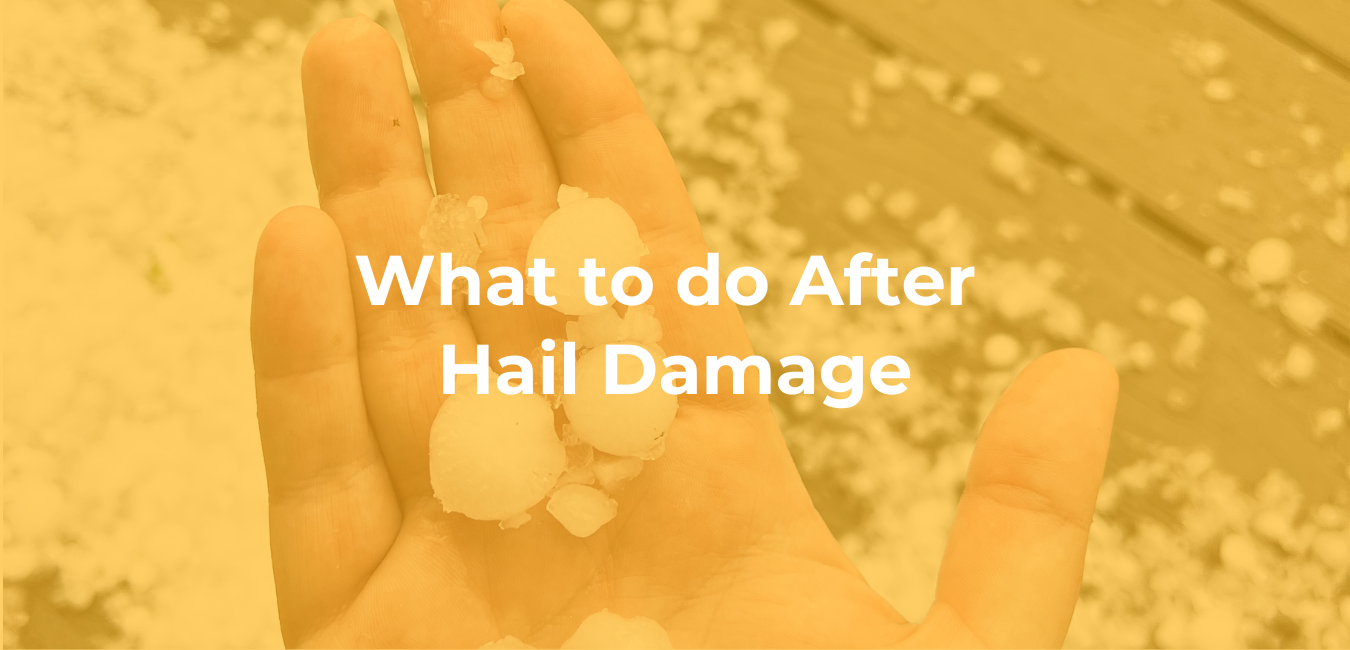
Hailstorms can hit quickly and leave behind damage that isn’t always obvious right away. Even small hail can weaken roofing materials, knock off protective granules, and shorten the lifespan of your roof system. The tricky part is that most hail damage doesn’t cause immediate leaks—meaning many property owners don’t realize there’s a problem until months later. Knowing what to do after a hailstorm can help you protect your property, avoid expensive repairs, and make sure you’re prepared if an insurance claim is needed. Here’s a clear step-by-step guide on what to do after hail damage.
Step 1: Prioritize Safety First
After any hailstorm, your priority should always be safety. Avoid going outside during weather conditions, and stay clear of areas with downed branches, power lines, or visible structural damage. If you suspect roof damage, do not attempt to climb onto the roof. Hail-damaged shingles can become slick, brittle, or weakened, which increases the risk of slipping or causing further damage. Professional inspection is always the safer option. Once the storm completely passed and is safe to go outside, take a slow walk around your property. Look out for dented gutters, damaged siding, missing shingles, or anything that looks concerning. Even if you don’t see obvious roof damage, surrounding evidence can help confirm that your property was impacted by hail.
Step 2: Look for Interior Warning Signs
Roof damage doesn’t always show up on the outside right away. In many cases, the first signs appear inside the property. Take a moment to inspect ceilings, attic spaces, and upper-level rooms. Watch out for water stains or discoloration on ceilings, water in attics, bubbling drywall, or musty odors. These issues often indicate that hail has compromised roofing materials, allowing water to slowly enter the structure.
Step 3: Schedule a Professional Roof Inspection
This is one of the most important steps after a hailstorm. While a roof might look fine from the ground, hail damage is often subtle and requires a trained eye to detect. Professional roofing inspection includes checking for bruised or cracked shingles, Impact marks that weaken shingle integrity, or hidden leaks or punctures beneath the surface. Minor hail damage can reduce your roof’s lifespan significantly. A full inspection gives you a clear understanding of whether repairs are needed or if a replacement is the better option. At Aspen Contracting, we examine your property, take accurate photos, and document all the damage we see. Aspen also provides a detailed estimate of the product, so there are no hidden surprises.
Step 4: Understand Your Insurance Options
If the inspection confirms storm-related damage, your next step is to contact your insurance provider. At Aspen Contracting, we take the guesswork out of the equation. We will be the liaison between you two, so you can make sure you get your damage covered. Aspen provides clear photos of storm damage and the full inspection report. Aspen Contracting can also meet with the insurance adjuster during your inspection. This helps ensure all damage is properly identified and documented, so nothing gets overlooked.
Step 5: Review Repair vs. Replacement Options
Once insurance has evaluated the claim (if applicable), you’ll receive recommendations for repair or full roof replacement. The right solution depends on the severity of the hail impact, age and condition of your roof, type of roofing materials, etc. Sometimes damage is localized and repairable. In other cases, hail impacts are widespread enough that a full replacement is more cost-effective in the long-term. At Aspen Contracting, we help guide you through both options, so you understand the pros and cons without pressure.
Step 6: Act Quickly to Prevent Further Issues
Delaying repairs after hail damage can lead to more serious problems. Even small vulnerabilities in your roof can turn into leaks during the next heavy rain or storm. Over time, untreated hail damage can cause interior water damage, mold growth, structural deterioration, or higher long-term repair costs. Addressing the issue early helps protect both the value and safety of your property.
Hail damage is one of the most common yet underestimated roofing issues. While it may not always look severe from the ground, even minor impacts can weaken your roof system over time. By staying proactive—documenting damage, scheduling a professional inspection, and working with your insurance provider—you can avoid long-term problems and make informed decisions about your property. If you suspect hail damage after a storm, Aspen Contracting can provide a thorough inspection and honest assessment of your roof. Call 877-784-ROOF or visit roofsbyaspen.com to schedule an inspection today.
0 Comments